
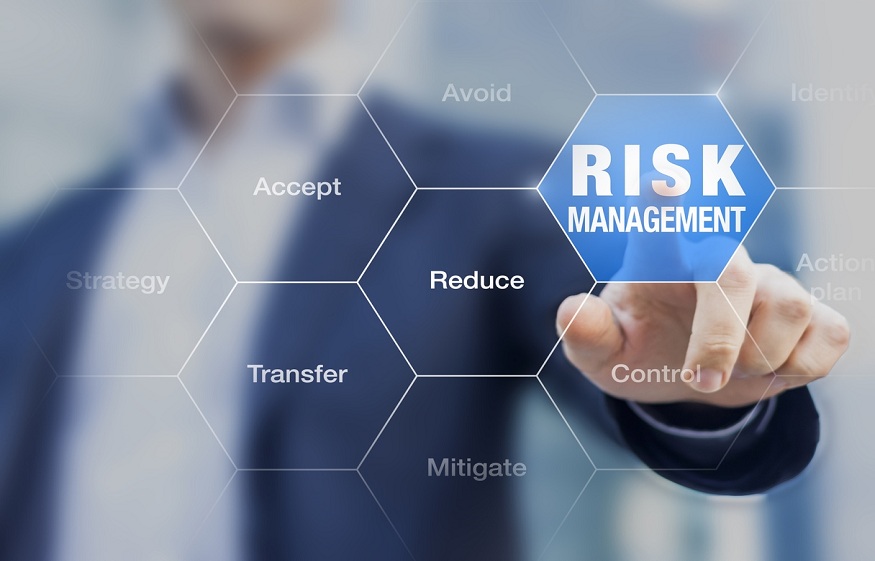

Every organisation, whether small or large, needs strong systems to manage risks and follow rules. Internal controls help businesses run smoothly, prevent fraud, and ensure accuracy in financial reporting. Compliance ensures that the organisation follows laws, regulations, and internal policies. Without proper systems, businesses can face financial loss, penalties, or damage to their reputation.
This is where risk management services play an important role. They help organisations identify risks, strengthen internal controls, and maintain compliance in a structured and efficient way.
Understanding Risk in Business Operations
Risk is a part of every business. It can come from different areas such as financial transactions, data security, operations, or regulatory changes. Some common risks include:
- Fraud or financial mismanagement
- Data breaches or cyber threats
- Errors in reporting
- Non-compliance with laws
Risk management services help organisations identify these risks early. Instead of reacting after a problem occurs, businesses can take preventive steps. This proactive approach improves overall control and reduces uncertainty.
How Do Risk Management Services Strengthen Internal Controls
Risk management services play a key role in identifying gaps in internal processes and strengthening control systems. They help organisations build structured, reliable mechanisms to prevent errors, fraud, and operational risks.
Strengthening Internal Controls
Internal controls are policies and procedures designed to ensure accuracy, accountability, and efficiency. Risk management services help improve these controls in several ways.
- First, they assess existing systems. Experts review current processes to identify gaps or weaknesses. For example, if approvals are not properly documented, it can lead to misuse of funds.
- Second, they design better control mechanisms. This includes:
-
- Clear approval hierarchies
- Segregation of duties
- Regular audits and checks
- Automated monitoring systems
- Third, they ensure controls are practical and easy to follow. Overly complex systems can lead to confusion and non-compliance. Risk management services focus on creating simple, effective controls that employees can easily implement.
Improving Compliance with Regulations
Compliance is not just about following rules; it is about building trust. Businesses in India must follow various laws related to taxation, labour, data protection, and financial reporting.Risk management services help organisations stay updated with changing regulations. They:
- Identify applicable laws and standards
- Review current practices against regulatory requirements
- Highlight areas of non-compliance
- Suggest corrective actions
This reduces the chances of penalties, legal issues, and operational disruptions. It also builds confidence among stakeholders, including customers, investors, and regulators.
Read More: Amazon’s Stock Price Trends: What Retail Investors Should Know
Enhancing Risk Awareness Among Employees
Even the best systems can fail if employees are not aware of risks. Risk management services focus on training and awareness.They help organisations:
- Educate employees about internal policies
- Conduct workshops on fraud prevention and compliance
- Encourage reporting of suspicious activities
When employees understand their roles and responsibilities, they become the first line of defence. This creates a culture of accountability and transparency.
Using Technology for Better Control
Modern businesses rely on technology to manage operations. Risk management services often recommend digital tools to strengthen internal controls.These tools can:
- Track transactions in real time
- Detect unusual patterns or anomalies
- Maintain proper documentation
- Automate compliance reporting
Technology reduces manual errors and improves efficiency. It also provides better visibility into business operations, making it easier to identify and manage risks.
Regular Monitoring and Continuous Improvement
Risk management is not a one-time activity. Business environments keep changing, and new risks can emerge at any time.Risk management services ensure continuous monitoring by:
- Conducting periodic audits
- Reviewing control effectiveness
- Updating policies based on new risks
- Providing ongoing support and guidance
This continuous approach helps organisations stay prepared and adapt quickly to changes.
Supporting Better Decision-Making
Strong internal controls and compliance systems provide reliable data. This helps management make informed decisions.
Risk management services improve decision-making by:
- Providing clear insights into risk exposure
- Highlighting potential challenges
- Suggesting risk mitigation strategies
When leaders have accurate information, they can plan better and avoid unexpected losses.
Read More: How to Use a ₹5 Lakh Personal Loan for Your International Vacation
Building Trust and Reputation
A business with strong internal controls and compliance systems is seen as reliable and responsible. This improves its reputation in the market.Risk management services contribute to this by:
- Ensuring transparency in operations
- Reducing the chances of fraud or errors
- Demonstrating commitment to ethical practices
This trust can lead to better relationships with customers, investors, and partners.
Driving Long-Term Business Stability
Every organisation aims for growth, but growth without control can be risky. Risk management services help create a strong foundation for sustainable growth.They ensure that:
- Risks are identified and managed effectively
- Internal processes are efficient and reliable
- Compliance requirements are consistently met
This stability allows businesses to focus on expansion without worrying about operational failures or legal issues.
Creating a Strong and Secure Business Environment
Risk management is not just about avoiding problems; it is about building a system that supports growth, efficiency, and trust. With the help of risk management services, organisations can strengthen their internal controls, stay compliant with regulations, and create a culture of accountability.
By taking a proactive approach to risk, businesses can protect their operations, improve performance, and build a secure future in an ever-changing environment.