
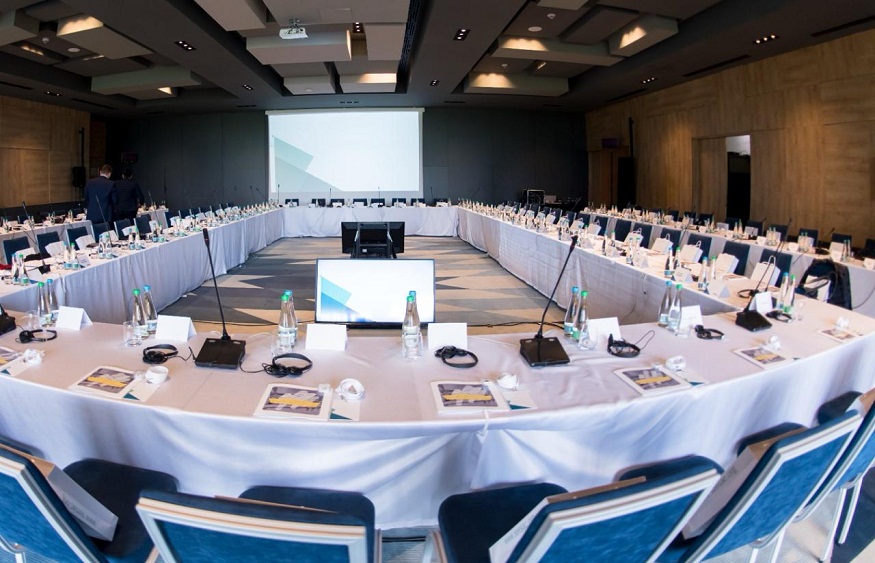

Understanding the Core of Corporate Events: Why They Matter
The Impact of a Well-Executed Event on Brand Perception
Corporate events, ranging from product launches to annual conferences, serve as significant touchpoints between a brand and its target audience. A well-executed event has the potential to reinforce or reshape brand perception dramatically. In today’s over-saturated market, where consumers are bombarded with messages from every direction, the ability of a brand to stand out is essential. A successful corporate event can showcase a company’s commitment to quality, innovation, and its customer base. It creates an environment where guests can experience the brand firsthand, leading to emotional connections that can transform into customer loyalty.
Moreover, events provide unique storytelling opportunities each element, from the venue to the decor, contributes to the overall narrative of the brand. When brands effectively communicate their values and messages through engaging experiences, they can buffer against negative perceptions. For instance, an environmentally conscious company might organize a green-themed corporate event, showcasing sustainable practices and solidifying its dedication to the planet. When brands align their events with their core identity, they create authentic experiences that resonate deeply with attendees, impacting their perception positively.
Corporate Events as Powerful Networking Opportunities
Networking is one of the cornerstones of corporate success, and events serve as fertile ground for meaningful connections to blossom. Corporate events gather diverse stakeholders, including customers, potential clients, suppliers, and industry influencers under one roof, providing a unique platform for relationship building. Recent studies suggest that face-to-face interactions are more effective in establishing trust and rapport, which is crucial in business dealings.
Read More : Navigating Global Interest Rate Shifts: Implications for MENA Fixed Income and CFD Traders
Events can facilitate structured networking opportunities, such as breakout sessions or speed networking, allowing attendees to engage in more targeted discussions rather than the usual mingling that often accompanies social gatherings. These interactions can lead to collaborations, partnerships, and ultimately, business growth. Moreover, when companies showcase their industry expertise through speaker panels or workshops, attendees leave with valuable insights, positioning the brand as a thought leader. This enhanced visibility attracts potential clients and fosters long-term relationships, making event management a vital strategy for corporate entities.
Aligning Events with Brand Values and Mission
When organizing events, aligning with the brand’s core values and mission is crucial for authenticity. Attendees appreciate consistency and are more likely to invest emotionally, and financially, in brands that resonate with their beliefs and values. Events that are designed around these principles demonstrate a brand’s commitment to its mission beyond mere marketing activities.
For instance, a tech company with an emphasis on innovation might host hackathons or innovation summits that encourage creativity and collaboration, directly reflecting its passion for advancing technology. Similarly, a health-conscious food brand may choose to organize wellness retreats that focus on holistic health and nutrition, ensuring that their events echo their message of well-being. By embedding core values into event design and execution, brands not only enhance their credibility but also nurture a loyal customer base who feels personally connected to the brand’s journey.
Crafting the Perfect Event Strategy: From Concept to Execution
Identifying Your Target Audience and Their Interests
The backbone of any successful corporate event lies in a deep understanding of the target audience. Identifying who your audience is and their specific interests enables event planners to tailor experiences that resonate. This begins with comprehensive market research to comprehend not only demographics but also psychographics values, preferences, and behavioral tendencies. Surveys, focus groups, and social media analysis can provide insights into what themes, formats, and content will engage attendees effectively.
For example, a tech firm launching a product aimed at millennial consumers may opt for a lively event infused with gamification, mobile app interaction, and social media engagement. Alternatively, a B2B organization targeting senior executives might favor intimate dinner events featuring thought-provoking speeches and networking opportunities. By investing the time to understand the audience’s expectations and desires, planners set the foundation for crafting a memorable and impactful event that achieves its goals.
Budgeting Wisely: Allocating Resources for Maximum Impact
Efficient budgeting is crucial in realizing the potential of a corporate event. A well-planned budget ensures that the investment delivers significant returns while optimizing resources. This process starts with clearly defined objectives whether to boost brand awareness, generate leads, or strengthen client relationships will guide budget allocations.
Event planners should break down costs into categories such as venue rental, catering, marketing, technology, and entertainment. Utilizing a value-based approach ensures that every expenditure aligns with strategic goals. For example, investing more in high-quality speakers and interactive technologies may yield better attendee engagement than extravagant table settings. Additionally, understanding the potential for ROI allows companies to be strategic in their spending; focusing budgetary efforts where they will deliver the most significant impact often leads to a richer event experience while also safeguarding fiscal responsibility.
Creative Themes That Reflect Your Brand Identity
Creativity in thematic design is paramount to capturing the essence of a brand during corporate events. Selecting a theme that harmonizes with the brand’s core message not only attracts attendance but cultivates an overall experience that attendees perceive as holistic and meaningful. Whether a brand employs a modern, sleek design or opts for a nostalgic, vintage atmosphere, the chosen theme must communicate the brand narrative effectively.
For example, a luxury automotive brand may host an event centered around “The Future of Driving,” featuring sleek designs, advanced technology demonstrations, and immersive experiences that represent the innovation and sophistication of the brand. Consultation with designers, event planners, and even stakeholders during the theme development can unearth ideas that may resonate on deeper levels with target groups. Ultimately, the vitality of creative themes lies in their ability to appeal emotionally and visually, ensuring that guests not only remember the event but also carry its essence beyond it.
Engagement and Experience: Creating Memorable Moments
Interactive Activities That Captivate Your Audience
In an era where event attendees expect interaction and engagement, incorporating interactive elements becomes essential to elevate experiences. Traditional presentations often fall flat in retaining attention, which is why integrating activities such as live polls, Q&A sessions, and hands-on demonstrations can invigorate events. By welcoming attendee participation, such activities foster a sense of ownership and enable brands to gather valuable insights instantaneously.
For instance, using technology such as augmented reality (AR) experiences allows attendees to engage with the brand beyond the surface level, allowing them to visualize products in their real-life settings. Additionally, facilitating small group discussions or collaborative workshops can lead to a more profound connection among attendees, enriching networking opportunities. Overall, creating a dynamic atmosphere where guests feel involved is key to generating unforgettable moments that will prompt positive post-event discussions and testimonials.
Utilizing Technology to Enhance Event Engagement
Today’s corporate events are increasingly shaped by advancements in technology that facilitate greater engagement and efficiency. Utilizing tools such as event apps enhances attendees’ experience through seamless schedules, personalized networking opportunities, and real-time feedback mechanisms. These applications not only streamline logistics but also enable brands to deliver personalized communications, reinforcing the attendee’s connection to the organization.
Live streaming and virtual reality experiences can extend the reach beyond physical locations, catering to remote audiences and ensuring inclusivity. Brands are also harnessing Social Media, encouraging attendees to share experiences in real time, creating authentic buzz and extending the online footprint. For example, event hashtags and Instagram stories allow brands to capitalize on user-generated content, further promoting the event and establishing a sense of community among participants. By adapting event strategies to incorporate innovative technologies, organizations can create multifaceted engagement avenues that connect with diverse audiences.
Event Storytelling: Turning Your Brand Message into an Experience
At the crux of a successful corporate event is the art of storytelling. Transforming a brand message into an engaging narrative can emotionally resonate with attendees, allowing them to connect personally with the brand. This involves crafting a compelling storyline that is woven into the event’s design, from the opening speech to post-event marketing.
Storytelling can be conveyed through various mediums videos, case studies, testimonials, and live performances can encapsulate brand values and showcase real-life applications of products or services. An automobile company might feature testimonials from satisfied customers alongside engaging presentations to demonstrate how their vehicles enhance everyday lives. By making the brand’s journey a key focus, the event becomes a platform for narrative exploration. When attendees leave with vivid memories that encapsulate the story, the impact of the event endures, inspiring further investments in both the brand and its offerings.
Post-Event Success: Measuring the Impact and Planning Ahead
Evaluating ROI: Metrics That Matter
Following the culmination of any corporate event, evaluating the return on investment (ROI) becomes critical. Understanding how to measure tangible and intangible outcomes can provide insights into areas for improvement and opportunities for future events. Key performance indicators (KPIs) typically encompass factors such as attendee engagement rates, lead generation, social media reach, and direct sales attributed to the event.
Surveys should be conducted promptly after the event to gather attendee feedback on various aspects, such as content relevance and overall enjoyment. By analyzing these qualitative responses, brands can glean insights that inform follow-up actions and gauge the event’s effectiveness in meeting predefined objectives. It’s imperative to analyze both hard data (like ticket sales or lead conversions) and softer metrics (like attendee satisfaction or brand sentiment) in establishing comprehensive ROI evaluations. This combined analysis equips brands with the knowledge to refine their strategies and achieve greater success in subsequent events.
Leveraging Feedback for Continuous Improvement
Feedback remains an invaluable asset in the realm of corporate event management. Gathering insights from attendees following the event allows organizers to identify what worked, what didn’t, and areas that require improvement. Utilizing online surveys or interactive kiosks during the event can facilitate feedback collection in real-time, enabling brands to capture immediate reactions while the experience is fresh.
Additionally, examining social media dynamics, such as posts and mentions regarding the event, can provide hints at audience perceptions and sentiments. By analyzing such feedback, brands can identify trends be it the need for more engaging activities, better scheduling, or improved catering services to tailor future events more effectively. Implementing feedback strategies not only aids in continual improvement but also signals to attendees that their opinions matter, fostering a culture of openness and responsiveness.
Keeping the Momentum: Strategies for Ongoing Engagement
The conclusion of a corporate event doesn’t spell the end of engagement; rather, it is a pivotal moment for brands to sustain the momentum generated. Following up with attendees through personalized emails, thank-you notes, and event recaps can reaffirm connections while keeping the brand fresh in their minds.
Read More : 0DTEs and Ultra-Short-Duration Options: Precision Tools for Tactical Traders
Moreover, leveraging content generated during the event can be a powerful tool for ongoing engagement. Brands should create highlights reels, testimonials, and learning insights to share across channels long after the event concludes. Continuing conversations on social media platforms, compiling and sharing resources discussed during the event, and encouraging attendees to showcase their experiences help maintain interest and enthusiasm. Well-executed post-event engagement strategies not only improve retention but also set the stage for future events, maximizing the return on investment and solidifying brand loyalty among stakeholders.