
Your freezer is lying to you. Well, not lying exactly, but hiding something. Behind those smooth white panels sits a layer of foam doing more scientific work than most people ever think about.
Foam Is the Real MVP
Heat never sits still. It barges from warm areas into cool ones constantly, like a guest who refuses to stay in their own lane. The job of insulation foam is to slow that down. The foam within refrigerators and freezers contains millions of tiny gas bubbles. These are tightly packed together. Every single one stops a little bit of heat from getting through. Stack enough of those barriers together and suddenly your ice cream stays frozen even in August. When the bubbles are consistent and tight, the foam works beautifully. When they are sloppy or uneven, heat finds the gaps. Every gap is a failure point.
The Chemical That Creates the Bubbles
Those gas pockets need a starting point. During production, manufacturers add chemicals known as blowing agents into the foam mixture. As the foam solidifies, the blowing agent swells. This creates a light, bubbly texture that insulates effectively. For a long time, the go-to blowing agents worked wonderfully for insulation. Nevertheless, they turned out to be environmental disasters. Some of them destroyed the ozone. Others trapped atmospheric heat at terrifying rates. Nobody was celebrating once those consequences became clear.
Something Better Came Along
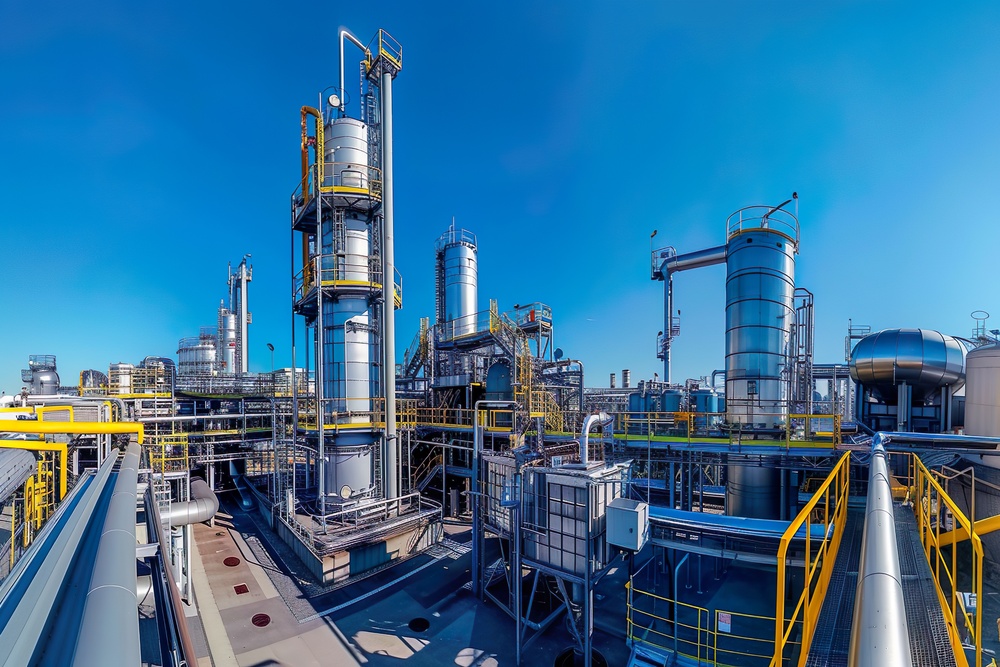
The replacement that stuck is cyclopentane. It performs well thermally, produces no ozone damage, and has only a fraction of the global warming potential of older chemicals, reducing environmental impact. Trecora, a Texas-based specialty chemical firm, manufactures high-purity grades of this blowing agent, providing manufacturers with the consistency required to maintain foam quality throughout extensive production runs. Once the performance data supported the environmental claims, appliance factories and construction material manufacturers quickly got involved.
So What Changes at Home
A refrigerator stuffed with good foam lets the compressor kick on less frequently. That compressor is the loudest energy hog in the whole machine. Give it more downtime and electricity consumption drops noticeably. Month after month, that adds up on a utility bill. Buildings follow the same logic but at a bigger scale.
Read More: Charles Spinelli Discusses Why It Is Important for Businesses to Offer an Employee Benefits Package
A house wrapped in high-performance insulation foam needs less air conditioning in Houston summers and less furnace time during Minnesota winters. The savings compound over years.
Why Raw Material Quality Is a Big Deal
Here is something most people never consider. The purity of a blowing agent shapes what the finished foam looks like on a microscopic level. Even small contamination changes how bubbles form. Some end up too large. Others collapse. The foam looks fine from the outside but performs unevenly on the inside.
Read More: How Energy Sector Stocks Respond to Global Market Events
Manufacturers who actually care about this stuff source from suppliers that obsess over purity control. Fractions of a percent matter when you are producing foam that needs to hold up for a decade or more inside an appliance wall.
Conclusion
Insulation does not get a lot of glory. Nobody posts about it online. Nobody brags about the foam inside their refrigerator at a dinner party. But the chemistry hiding in those panels connects a factory production line to your electric bill to the health of the atmosphere. Stronger blowing agents create stronger foam. Stronger foam demands less energy. Less energy consumption means fewer emissions floating up into the sky. Pretty solid chain of events for something you will literally never see. Next time you grab a popsicle from the freezer, give a small nod to the foam. It earned it.